From Agency to Platform Company
In 2012, Colin Weir founded Moroku as a mobile-first software design and engineering agency. The goal: to explore how mobile technology could reshape user engagement in finance and beyond. More than a decade later, that curiosity has evolved into a full-stack digital banking platform.

The Beginning
After leading Microsoft's Australian Data business, Colin Weir founded Moroku as a mobile-first software design and engineering agency in Sydney, our first app "Vitoto" a video editor.
The name derives from "mobile" and "Puroku"—the Māori phrase for "gathering"—reflecting the belief that tribes now connect via mobile.


Gameo & Odyssey
Moroku began working with Misys and Bulgaria's DSK Bank on the Gameo project—laying the foundation for what would become Moroku Odyssey.
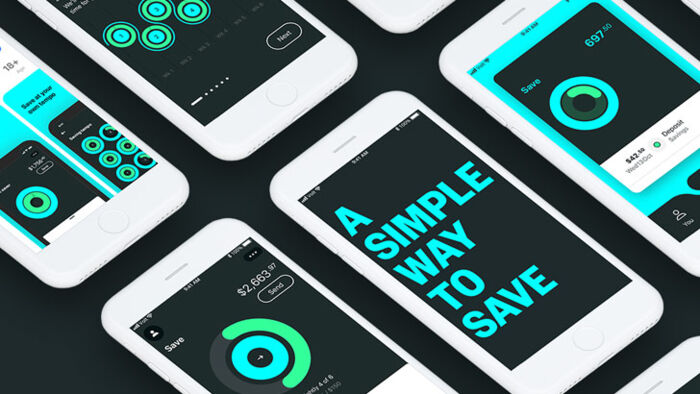
The thesis: a game-based engagement engine could help users build mastery over money through habit formation and rewards.
FinTech Innovation Lab
Selected for the FinTech Innovation Lab Asia-Pacific—a collaboration between Accenture and leading institutions including UBS, Goldman Sachs, HSBC, and Commonwealth Bank.
This exposure validated the vision of gamification in banking and opened doors to the world's largest financial institutions and a pilot in the back office for fraud operations.


Cuscal & ChoreScout
Cuscal, Australia's largest payments provider, invested in Moroku to build ChoreScout—a gamified banking app for six credit unions.
This marked Moroku's first commercial deployment of Odyssey and validated the vision of combining game mechanics with financial literacy.
Volt Bank & Enterprise
Moroku played a pivotal role in the digital build-out of Volt Bank, Australia's first neobank, helping define its customer engagement strategy and digital experience.
This period also included high-profile work with Afterpay and HSBC, showcasing the ability to deliver scalable, emotionally intelligent digital banking solutions.

Platform Company
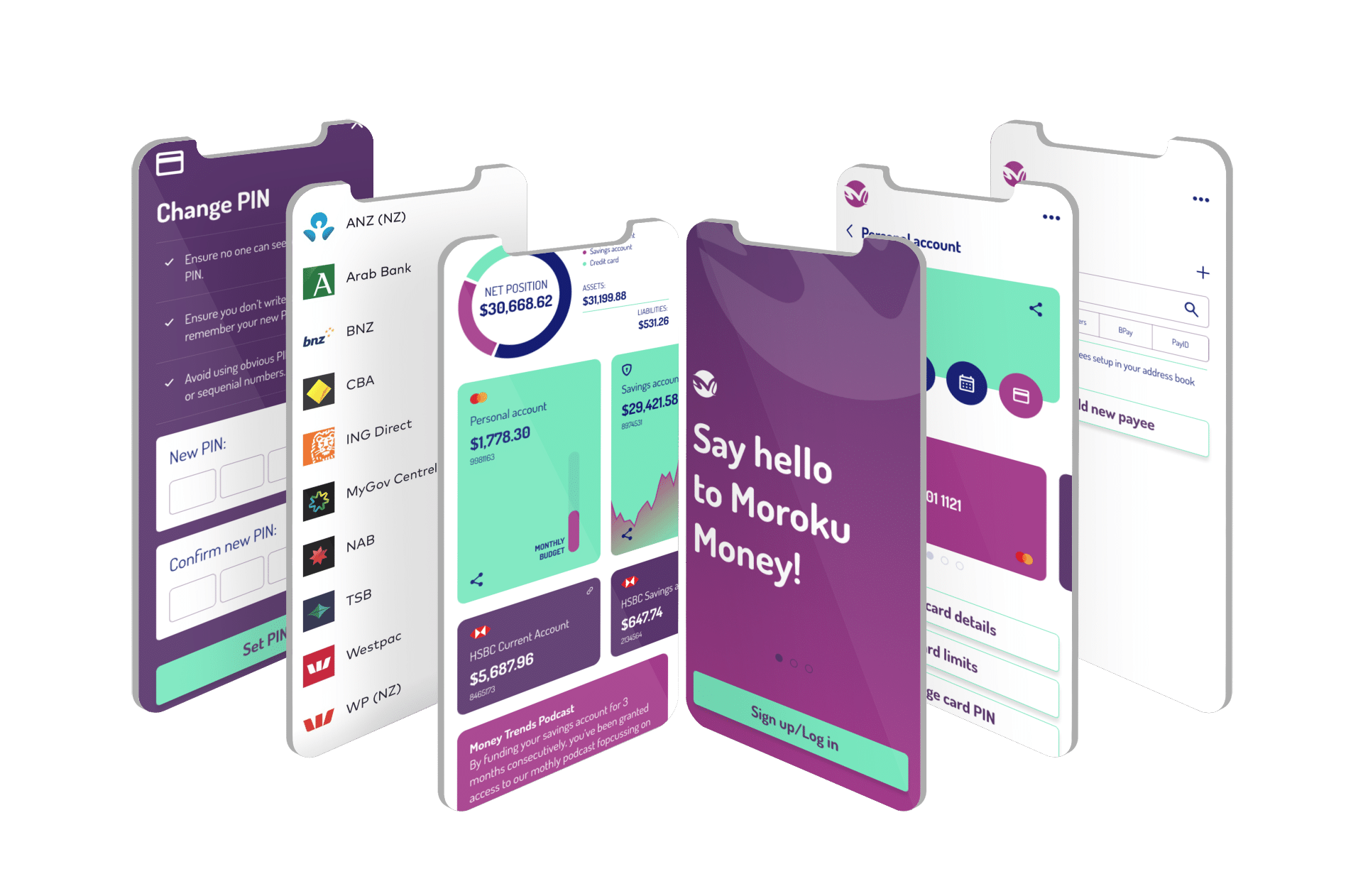
Recognising the need for a full-stack solution, Moroku evolved from a design agency into a platform company, launching Moroku Money and Moroku Flow.
Built for credit unions, mutuals, and challenger banks—combining cloud-native infrastructure with Odyssey's engagement engine.
LCU Partnership
To demonstrate commitment to the community banking segment, Moroku partnered with Laboratories Credit Union (LCU) as an anchor client.
This validated the platform and created a live showcase for prospective partners in the credit union and mutual bank space.

Strategic Partnerships
Moroku is building strategic partnerships with core banking providers like Biza.io, Mambu, and Thought Machine to bring modern digital banking to challenger institutions.
The vision remains constant: help everyone become great with their money through engaging, fun, and social financial services.
Redefining Digital Banking Around Customer Success
Today, Moroku is on a mission to redefine digital banking, not around convenience, but around customer success. By combining game, data, and AI, we help banks compete on emotional intelligence, loyalty, and financial wellbeing.
Game
Engagement through mechanics that drive habit formation
Data
Personalisation through deep customer understanding
AI
Intelligence that helps customers succeed
Moroku Money
White-label mobile and internet banking platform. Modern UX, real-time analytics, and cloud-native architecture, built for challenger institutions.
Explore MoneyMoroku Flow
Smart, modular loan origination platform. From application to conditional approval in minutes, with AI-powered decisioning and Open Banking integration.
Explore FlowReady to Write the Next Chapter?
Join the challenger banks and credit unions already transforming their digital banking with Moroku.